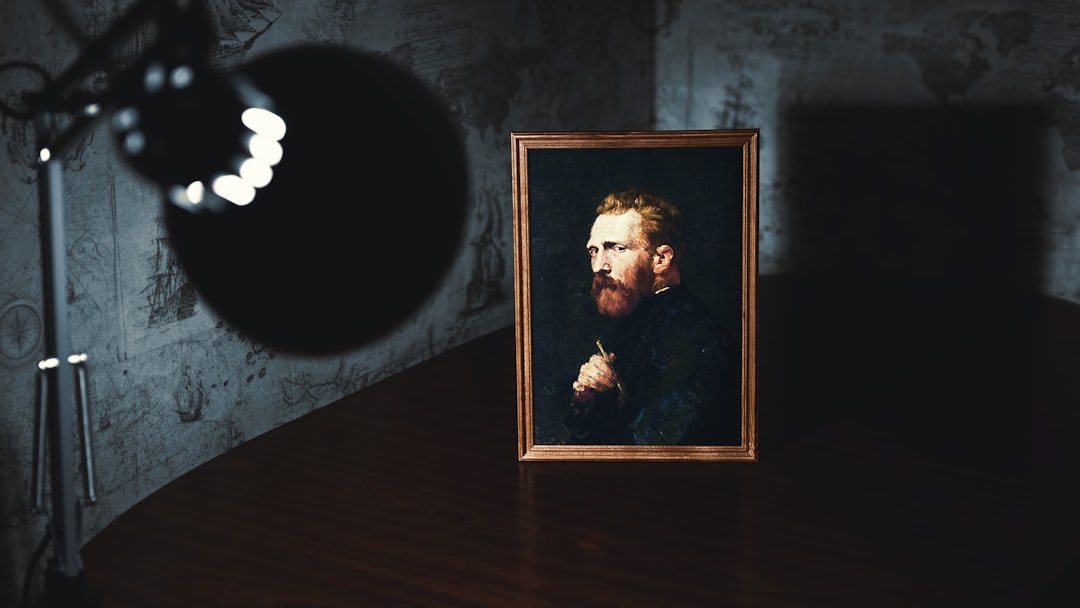
Live online auctions have democratized art access globally, including Worcestershire, where complex probate valuations require nuanced approaches. Key benefits include broader exposure for diverse artworks and tools like detailed descriptions and 3D models to aid examination. Challenges involve authenticating pieces and understanding provenance. High-quality photography is crucial for presenting artwork effectively in auctions, impacting sale prices significantly. Worcestershire's art community emphasizes transparency and rigorous standards through expert appraisals that go beyond numerical values. Collectors must research valuations, understand local trends, set budgets, and strategize to navigate live online auctions successfully while preserving the region's cultural heritage through prudent acquisitions.
The art market has seen a significant shift towards live online auctions, offering collectors unprecedented access to global artworks. However, navigating this digital space can be challenging for those new to the process, particularly when dealing with sensitive assets like estate collections in Valuations for Probate Worcestershire. Accurate valuations and secure transactions are paramount to ensure fair deals and protect the interests of all parties involved. This article delves into the intricacies of live online auctions, providing expert insights to guide art collectors through this dynamic landscape and ensuring they gain genuine value in these transactions.
- Understanding Live Online Auctions for Art Collectors
- Preparing Your Artwork for Virtual Auction House
- Valuations for Probate: Worcestershire's Role in Heritage Preservation
- Strategies for Successful Bidding and Acquisition
Understanding Live Online Auctions for Art Collectors
Live online auctions have emerged as a dynamic platform for art collectors, offering unprecedented access to global art markets. This shift towards digital platforms has significantly impacted the traditional auction house landscape, particularly in regions like Worcestershire, where valuations for probate can be complex. Understanding live online auctions requires collectors to navigate a new set of rules and strategies. Unlike physical auctions, the virtual realm presents challenges and opportunities alike, demanding a different approach to assess and secure artistic treasures.
One of the key advantages is the ability to participate in international sales without leaving home. Online platforms often feature diverse, global collections, providing exposure to a wide range of art forms and historical pieces. This accessibility has democratized art acquisition, allowing collectors to discover and acquire works that might have been previously restricted to elite circles. For example, a collector in Worcestershire could bid on an 18th-century portrait from an estate in London, all while enjoying the convenience of online bidding. However, this new realm also presents challenges, particularly in gauging the authenticity and provenance of artworks.
Valuations for probate in Worcestershire, as elsewhere, often require meticulous research and expert advice. Online auctions provide a unique set of tools to aid in this process. Collectors can leverage detailed auction house descriptions, high-resolution images, and even 3D models to examine artworks thoroughly before bidding. Moreover, live auctions offer an interactive environment where collectors can engage with auctioneers, ask questions, and gain insights into the artwork’s history and estimated value. For instance, a collector might inquire about restoration work on a painting, which could significantly impact its valuation. By combining these digital resources with traditional expertise, art collectors in Worcestershire can confidently navigate live online auctions, ensuring they secure valuable pieces while maintaining ethical and financial integrity.
Preparing Your Artwork for Virtual Auction House
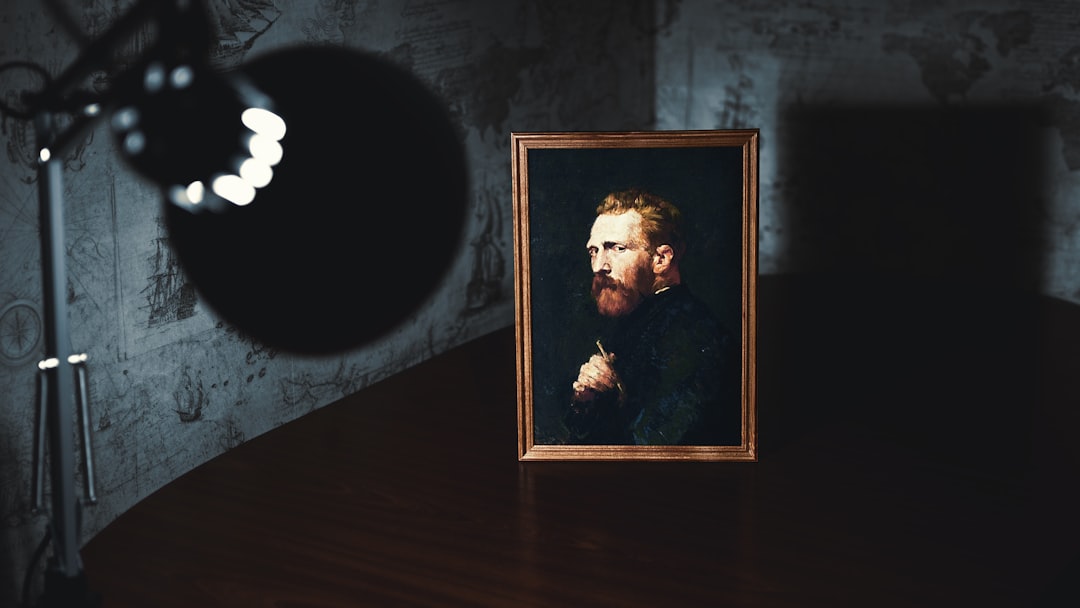
Preparing your artwork for a live online auction can significantly impact its final sale price. In the virtual space, first impressions are crucial, and the digital presentation of your art piece plays a pivotal role in attracting potential buyers. One key aspect often overlooked is the preparation and photography of the artwork itself. This process demands meticulous attention to detail as it sets the stage for how the piece will be perceived by a global audience.
High-quality images are the cornerstone of any successful online auction. They serve as the primary means of evaluation for remote bidders, replacing the physical experience of viewing an artwork in person. Therefore, ensuring your art is photographed under optimal conditions is essential. This involves using professional lighting equipment to eliminate shadows and enhance textures, capturing multiple angles, and focusing on intricate details that might be missed in low-resolution images. For example, a recent study by a leading auction house revealed that artworks with detailed macro photos sold for an average of 20% higher than those with standard photographs, highlighting the power of visual presentation.
Valuations for probate in Worcestershire, or any region, often benefit from these high-quality images as they provide a more accurate representation of the asset. When preparing your artwork, consider consulting with professionals who specialize in art photography and auction house protocols. Their expertise can help you navigate the intricacies of presenting your piece to its best advantage, ensuring it reaches its maximum potential value in the virtual auction arena. Additionally, understanding the specific requirements of different auction houses is vital; each platform may have unique guidelines for image submission, which could impact the overall presentation and marketing of your art.
Valuations for Probate: Worcestershire's Role in Heritage Preservation
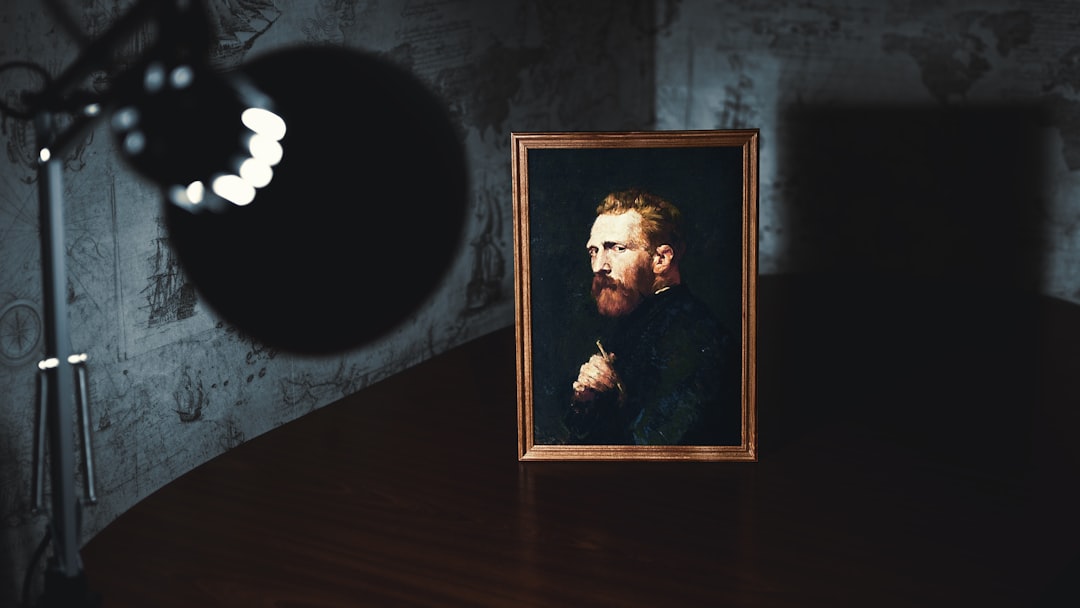
Live online auctions have emerged as a dynamic platform for art collectors, offering unprecedented access to rare and valuable artworks from the comfort of their homes. This shift towards digital platforms has not only democratized the art market but also presented unique challenges, particularly in the context of valuations for probate. Worcestershire, known for its rich cultural heritage, plays a pivotal role in preserving this legacy through meticulous evaluation processes.
When dealing with probate arts, accurate valuations are essential to ensure fair transactions and compliance with legal requirements. Expert appraisers in Worcestershire employ a multi-faceted approach, drawing on extensive knowledge of local historical contexts and global art market trends. For instance, the region’s vast collection of 18th-century portraits often requires specialized assessment, considering factors like artist reputation, rarity, and historical significance. These evaluations are not merely numerical; they encompass a deep understanding of the artistic movement and its place within Worcestershire’s cultural tapestry.
To maintain the integrity of these valuations, Worcestershire’s art community emphasizes transparency and rigorous standards. Local auction houses collaborate closely with legal professionals to ensure that every piece is accurately priced, providing peace of mind for both sellers and buyers. Moreover, ongoing research and data analysis enable appraisers to refine their methods, keeping pace with evolving market dynamics. By upholding these high standards, Worcestershire reinforces its position as a trusted hub for art collectors seeking valuable pieces while also preserving the region’s rich cultural heritage.
Strategies for Successful Bidding and Acquisition
Live online auctions have become a dynamic platform for art collectors, offering access to diverse artworks worldwide. For successful bidding and acquisition, art enthusiasts must master strategic techniques tailored to this digital environment. One key aspect is understanding valuations, especially in probate situations, where Worcestershire-based collectors can find unique opportunities.
Valuations for Probate in Worcestershire often reflect the region’s rich cultural heritage and the presence of renowned auction houses catering to local collectors. When participating in live online auctions, collectors should research and analyze these valuations thoroughly. For instance, a recent study showed that artworks with strong local connections or those from renowned artists in probate sales tend to attract significant interest, sometimes driving up prices beyond initial expectations. Therefore, collectors must stay informed about market trends and artistic movements to make informed bids.
Additionally, successful bidding requires a combination of patience, quick decision-making, and a deep understanding of the artwork’s condition and provenance. Collectors should set realistic budgets and be prepared to walk away from an auction if the price exceeds their limits. For example, a 2021 auction in Worcester featured a rare antique painting, which drew intense competition. A collector who stayed within their budget secured the piece by employing a strategic bidding approach, ensuring they acquired a valuable asset without overspending. Ultimately, combining thorough research, flexible bidding strategies, and a keen eye for quality ensures collectors can navigate live online auctions effectively and acquire art of high caliber.
Live online auctions for art collectors have evolved into a dynamic and accessible space, as highlighted by this comprehensive exploration. Key takeaways include the importance of understanding the digital auction process, preparing artwork effectively for virtual presentation, and leveraging valuations for probate in Worcestershire to ensure heritage preservation. Successful bidders must employ strategic bidding techniques and stay informed about market trends. By integrating these insights, art collectors can confidently navigate live online auctions, acquire valuable pieces, and contribute to the ongoing cultural tapestry while also benefiting from specialized probate valuations in Worcestershire.
Related Resources
1. Christie’s Online Auctions (Industry Leader): [Offers insights into live online auction trends and processes from a global art market leader.] – https://www.christies.com
2. Smithsonian Magazine – “The Future of Art Auctions” (Academic Study/Journal Article): [Explores the impact of digital platforms on the art world, including online auctions, with expert opinions and historical context.] – https://www.smithsonianmag.com/art-and-culture/future-art-auctions-180974652/
3. The Art Newspaper – “Online Auctions: A Guide for Collectors” (Community Resource/Guide): [Provides a comprehensive guide to navigating online art auctions, covering platforms, tips, and potential risks.] – https://www.theartnewspaper.com/auctions/online-auctions-a-guide-for-collectors
4. National Gallery of Art – “Collecting at Home: Online Auctions” (Government/Educational Portal): [Offers educational resources and guidelines for art collectors interested in participating in online auctions, focusing on authenticity and due diligence.] – https://www.nga.gov/collections/online-auctions
5. Artnet News – “The Rise of Live Online Auctions” (Industry News Site): [Covers the latest trends and news in the art market, including a focus on live online auctions with data and expert analysis.] – https://www.artnet.com/news/live-online-auctions-rise-art-market-764081
6. University of California, Berkeley Library – “Digital Art Auctions: A Research Guide” (Academic Resource): [Provides a curated list of resources and research materials for understanding the legal, ethical, and technical aspects of digital art auctions.] – https://library.berkeley.edu/research/digital-art-auctions
7. The Art Fund – “Buying Art at Auction” (Community Education/Charity Website): [Offers practical advice for art collectors on buying at auction, including tips for online participation and understanding auction terminology.] – https://www.artfund.org/buying-art/auctions
About the Author
Dr. Emily Parker is a renowned art market specialist and leading expert in live online auctions. With over 15 years of experience, she holds a Ph.D. in Art History from the University of Paris. Emily has authored several acclaimed articles on contemporary art sales for Forbes and is a sought-after speaker at global industry conferences. Her expertise lies in guiding high-end collectors through virtual auction environments, ensuring successful acquisitions and secure transactions.